


The 2026 season of IPL was an opportunity for some tough learning experiences. There was the emergence of new talent as well as teams such as Royal Challengers Bengaluru winning two consecutive titles and Gujarat Titans making the finals once again. Despite the successes, all franchises showed at least one big weakness during the competition. As the teams think of how to go about the upcoming IPL in 2027, it will become evident which hard choices have to be made regarding their squad. While some clubs have players who must be released due to poor performances despite their high pay, others may want to make space in their overseas quota or strategy. Here is the one IPL player all the franchises must get rid of in preparation for 2027.
It was close all through. Successful teams managed to use their resources wisely while others suffered due to players that did not do much despite being paid handsomely.
Key Changes Every IPL Team Must Make
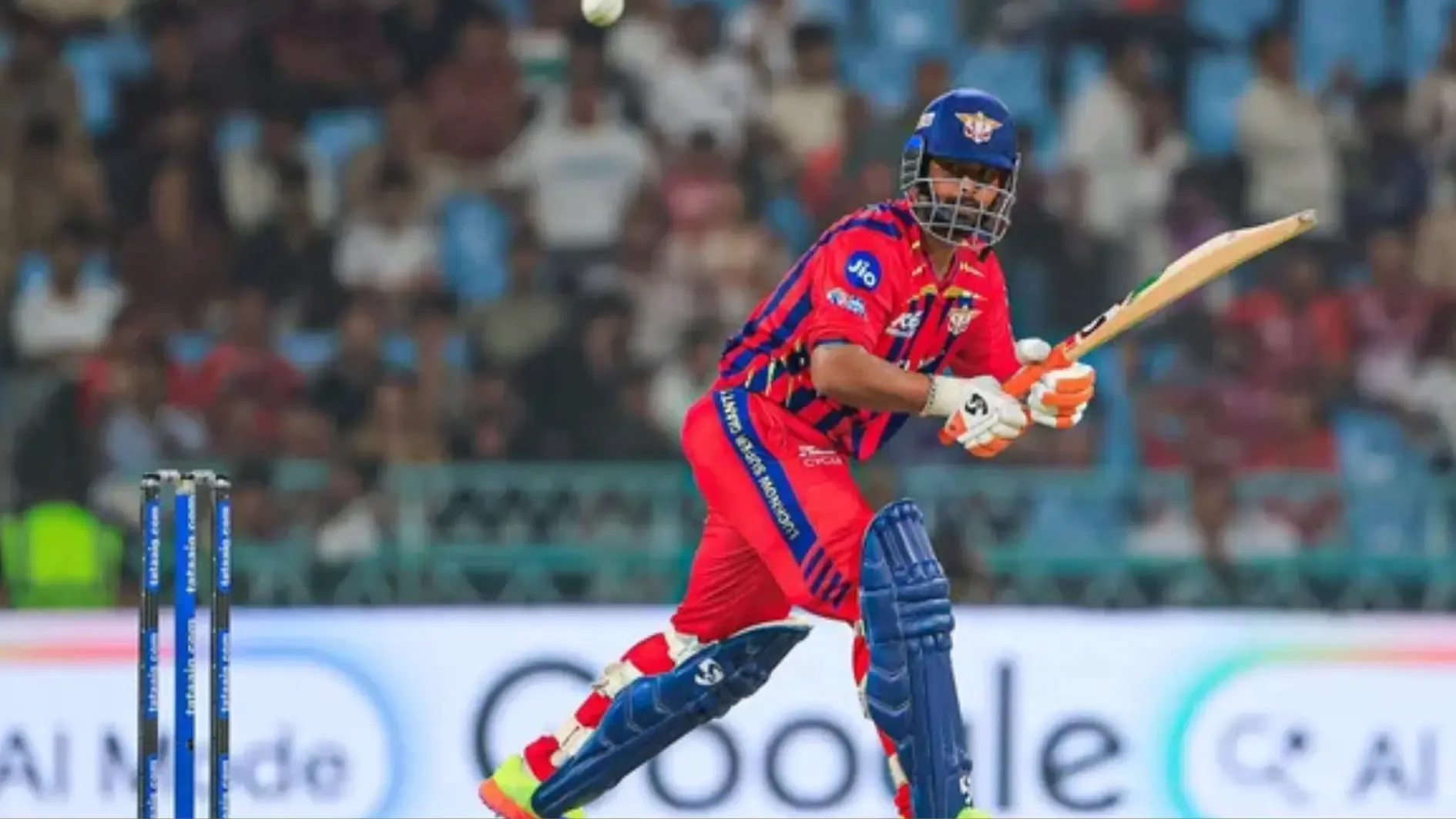
Lucknow Super Giants - Rishabh Pant
Lucknow's biggest call involves Rishabh Pant. The wicketkeeper-batter arrived with enormous expectations and a record ₹27 crore price tag but failed to transform the franchise's fortunes. LSG finished at the bottom of the table, and Pant's middle-order scoring lacked the urgency required in modern T20 cricket. His struggles culminated in him stepping down as captain. Releasing him would provide significant financial flexibility and allow the franchise to rebuild around a more aggressive batting core.
Juggle. Fumble. Grab. Got him! 👀 Dhruv Jurel holds onto the edge to dismiss Rishabh Pant 🧤 Updates ▶️ https://t.co/02MS6ICvQl#TATAIPL | #RRvLSG | @rajasthanroyals pic.twitter.com/qeQJxNwUfL
— IndianPremierLeague (@IPL) April 19, 2025
Kolkata Knight Riders - Cameron Green
KKR invested ₹25.20 crore in Cameron Green, making him one of the most expensive signings in IPL history. However, the Australian all-rounder endured a difficult campaign and failed to provide the match-winning impact expected from such a premium investment. With Kolkata finishing seventh, freeing up that budget could help strengthen multiple areas of the squad rather than relying on one expensive overseas player.
Mumbai Indians - Shardul Thakur
Mumbai's bowling unit never found consistency during a disappointing season that ended in ninth place. Shardul Thakur struggled to provide control and leaked runs at an economy rate of around 10.2. Those expensive overs often erased the pressure created by Jasprit Bumrah and Trent Boult. Releasing Thakur would create room for a specialist death-over bowler capable of supporting Mumbai's senior pacers.
Gujarat Titans - Shahrukh Khan
Despite another successful season, Gujarat's lower-middle order remained a concern. Shahrukh Khan was retained to provide late-innings acceleration but struggled throughout the tournament. His average remained below 15, and he frequently fell to short-pitched bowling under pressure. A more reliable domestic finisher would ease the burden on Gujarat's top-order stars and strengthen the batting unit.
Royal Challengers Bengaluru - Romario Shepherd
RCB won the title again, but Romario Shepherd's bowling remained a concern. While his power-hitting offered value, his economy rate climbed beyond 12 runs per over. That lack of control repeatedly exposed Bengaluru's bowling plans on high-scoring surfaces. Even during the playoffs, questions emerged over his place in the side. Releasing Shepherd would allow RCB to target a more dependable overseas pace option.
Punjab Kings - Lockie Ferguson
Punjab's season slipped away during the second half, with death bowling becoming a major issue. Lockie Ferguson's pace remained threatening, but his execution in crunch situations often fell short. He conceded more than 11 runs per over during the closing stages of innings and struggled to close out tight contests. Punjab would benefit from replacing him with a more disciplined death specialist.
Chennai Super Kings - Anshul Kamboj
CSK's bowling attack suffered from inconsistency throughout the season. Anshul Kamboj picked up 10 wickets at the death but also conceded a tournament-high 34 sixes. His economy rate of 10.53 highlighted the problem. While his wicket-taking ability remains promising, Chennai need bowlers who can control games under pressure if they are to return to playoff contention.
Sharp work in the field! ⚡ Anshul Kamboj with an important breakthrough as Sarfaraz Khan takes a fine catch in the deep 🤝 Updates ▶️ https://t.co/UzbuFk5G26#TATAIPL | #KhelBindaas | #RRvCSK | @ChennaiIPL pic.twitter.com/AzRULVrSTW
— IndianPremierLeague (@IPL) March 30, 2026
Rajasthan Royals - Shimron Hetmyer
The rise of Vaibhav Sooryavanshi changed Rajasthan's batting hierarchy. The teenager amassed 776 runs and became the tournament's standout performer. In comparison, Shimron Hetmyer struggled to make consistent contributions and finished with an average below 20. Given the value of overseas slots, Rajasthan may gain more by replacing him with a bowling all-rounder who offers greater balance.
Delhi Capitals - Karun Nair
Delhi's batting lacked momentum for much of the season, and Karun Nair failed to cement his place in the side. When opportunities came, he struggled to accelerate and finished with an average below 15. The Capitals need more aggressive domestic options capable of complementing their middle-order hitters and improving powerplay scoring.
Sunrisers Hyderabad - Jaydev Unadkat
Sunrisers reached the playoffs but still identified a weakness in their bowling attack. Jaydev Unadkat found it difficult to contain batters, especially on flatter pitches. His economy rate crossed 9.8, and opponents frequently targeted his variations. Releasing the veteran seamer would open space for a younger domestic pacer with greater pace and long-term potential.